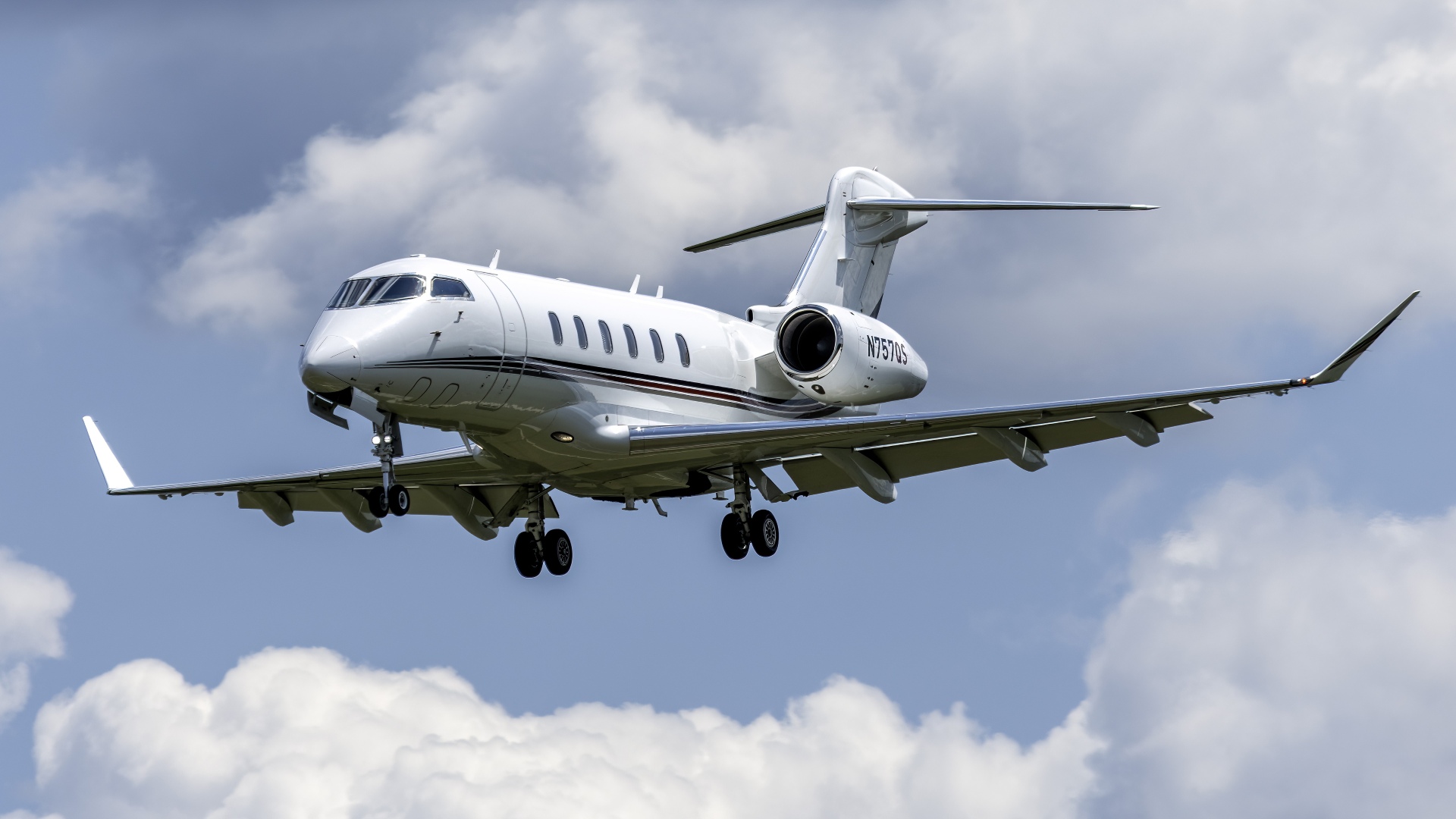
The Bombardier Challenger 350 is one of the most successful super-midsize jets in the world, offering a flat-floor, stand-up cabin of exceptional width. Seating up to ten, it pairs transcontinental range with a smooth, quiet ride and best-in-class comfort. For longer African routes and larger groups who expect a genuinely spacious cabin, the Challenger 350 sets the standard in its class.
Manufactured by Bombardier, 2014-present.
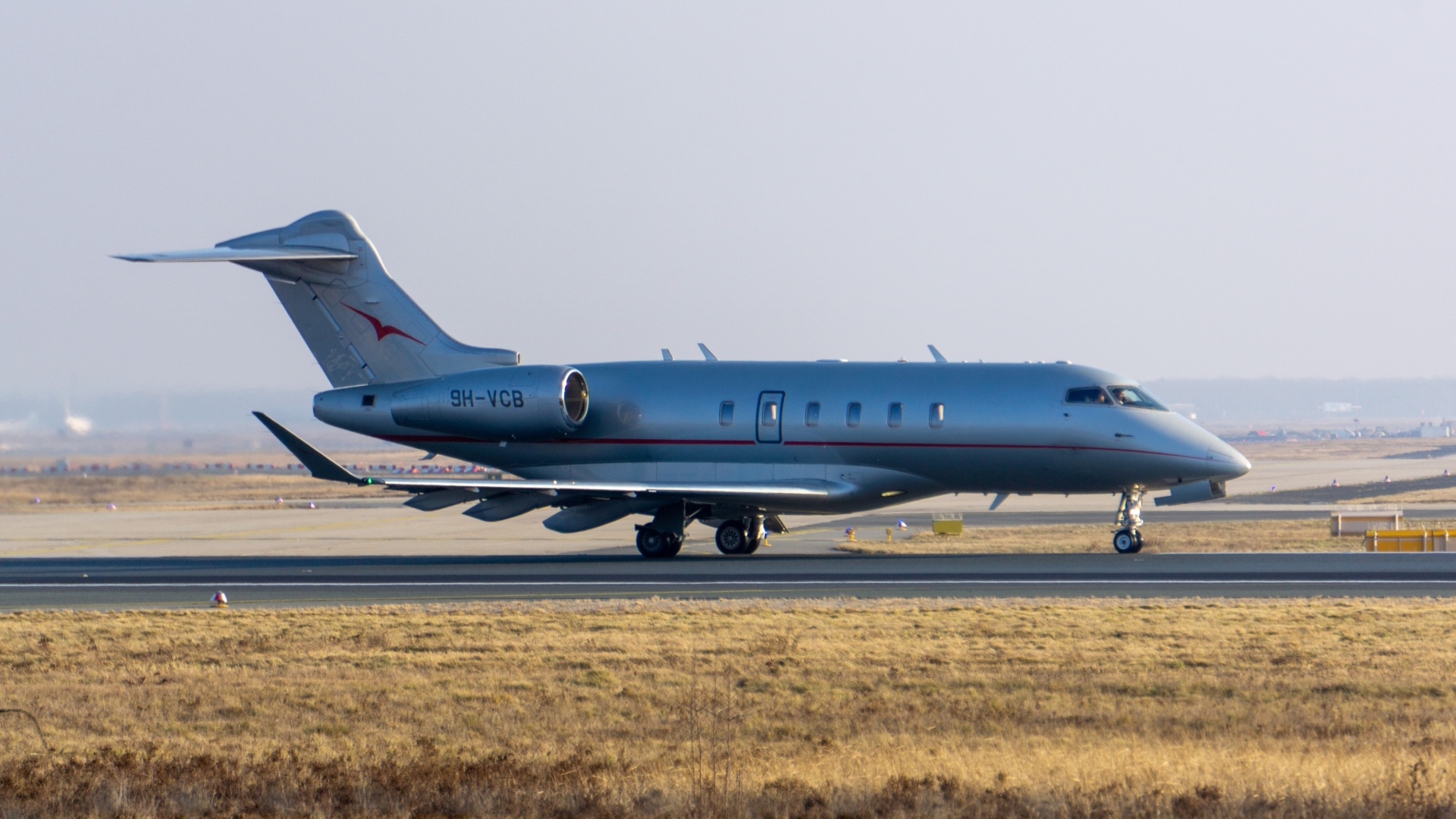
For charter across Africa, the Challenger 350 is typically positioned from its home base to your departure airport, flown to your destination, and returned afterwards — the estimate you see on a route search already accounts for this full rotation. Whether it suits a given trip depends on the runway at each end, the distance, and how many seats you need. Search any route to see a live estimate for the Challenger 350 alongside every other aircraft that can fly it, then send an enquiry to have operators confirm the exact price.
Images are representative of the aircraft type — the actual aircraft, cabin layout and interior finish depend on the operating carrier. Specifications are typical planning figures for charter use and vary by individual aircraft configuration. Charter prices are computed estimates confirmed by the operating carrier through the inquiry process.
The Challenger 350 is chartered as a whole aircraft, not per seat. Planning rates start around US$7,500 per occupied flight hour before airport, handling and navigation charges. On most African sectors the larger variable is positioning: if no Challenger 350 is sitting at your departure airport, the empty leg flown in to collect you is priced into the quote, which is why a short hop can cost more than its flight time suggests. Every route page on this site shows the all-in estimate rather than the bare hourly rate.
Up to 9 passengers in the cabin layout typically offered for charter in Africa. Operators configure individual aircraft differently, so the usable seat count on the specific tail allocated to your trip is confirmed at quote stage, along with baggage allowance, which is usually the binding limit on safari and golf trips rather than seats.
The Challenger 350 plans to roughly 3,000 nautical miles (about 5,556 km) with normal reserves. From its Cape Town base that reaches scheduled airports in 41 African countries without a fuel stop. Hot and high departures, strong headwinds and a full cabin all reduce that figure, so longer sectors are planned with a technical stop where needed.
It needs roughly 4,850 ft of paved runway at typical charter weights. On our airport data that covers 338 of the 394 African airports with scheduled service, before allowing for elevation, temperature and runway condition on the day. Shorter or unpaved strips, including most safari airstrips, are outside its limits and are flown on a turboprop instead.
Challenger 350 aircraft in our fleet data are based at Cape Town, Johannesburg, Marrakech. Departing from or near one of those cities keeps positioning cost down, because the aircraft does not have to fly an empty leg to reach you.