For Mandrare and Namoroka, the trip can involve a flight in a smaller charter aircraft from a regional airport. Manafiafy is reached by road from Fort Dauphin. We asked Country Director Antoine Drion about the route to each camp and what private-flight operators should know before setting off.
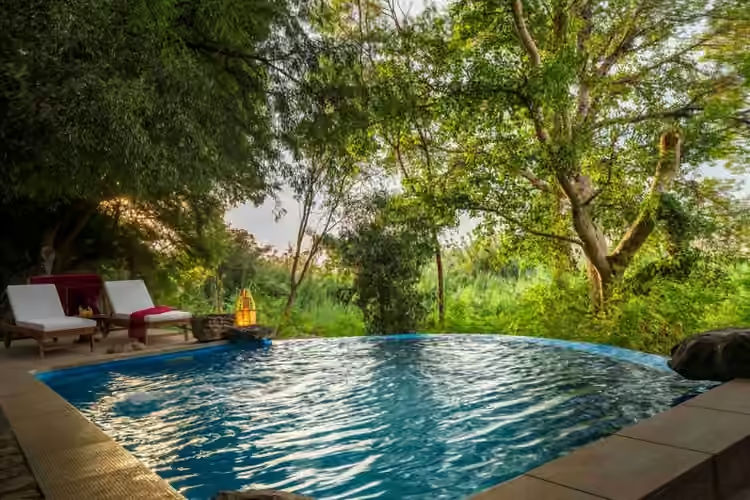
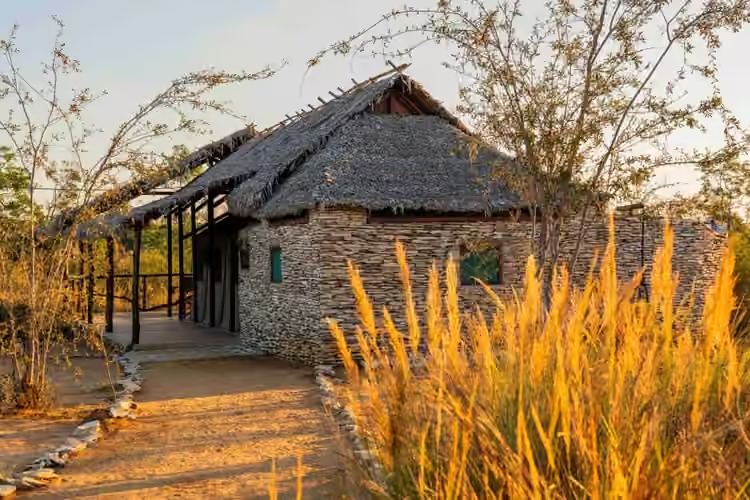
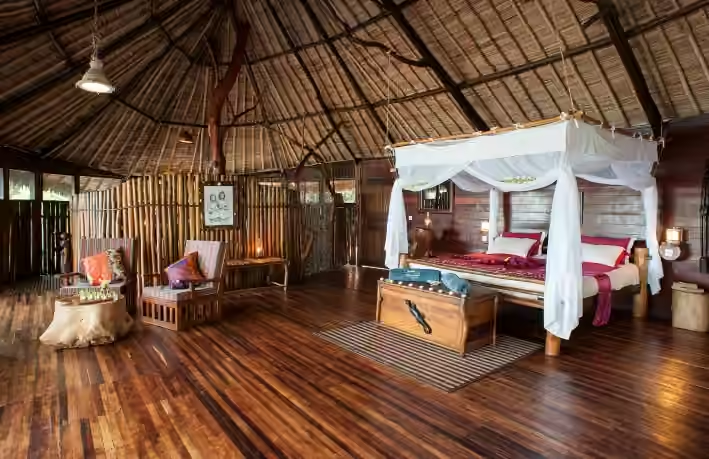
Madagascar Classic Collection operates three properties in different parts of Madagascar: Mandrare River Camp beside the spiny forests of southern Madagascar; Namoroka Tsingy Camp beside the limestone formations of the north-west; and Manafiafy Forest Lodge, where rainforest, mangroves and the Indian Ocean meet. Two properties have adjacent bush airstrips, while Manafiafy is reached by road from Fort Dauphin Airport.
In this exclusive written interview for privatejet.africa, Country Director Antoine Drion explains the runway details, aircraft types, permits, fuel arrangements and transfers, alongside what makes each place worth visiting. Madagascar Classic Collection’s official website provides further lodge and itinerary details.
Spiny forest, lemurs, sifakas and a landscape shaped by the Mandrare River and the region’s Antandroy cultural heritage. Antoine recommends Fort Dauphin (FTU), followed by a short charter flight or a longer road journey.
FTU gateway~20 min onward flight~10 min airstrip transfer
Remote limestone tsingy formations and extraordinary local biodiversity, from lemurs to sifakas. Antoine recommends Majunga/Mahajanga (MJN), followed by a smaller charter aircraft to Kapiloza Airstrip.
MJN gateway~25 min onward flight~15 min airstrip transfer
A coastal hideaway where littoral rainforest, mangroves and the sea support richly varied wildlife. Here, the final approach is by road rather than bush aircraft—approximately an hour from Fort Dauphin Airport.
FTU gateway~1 h road transferRainforest meets ocean
03 / Exclusive conversation
Antoine Drion answers ten questions.
Antoine sent his written answers to privatejet.africa on 10 November 2026. We have kept the question-and-answer format, making only light edits for punctuation and readability. As with any airstrip information, pilots should check current operational details independently.
01
Which airports give international private-aviation guests the smoothest connection to each lodge?
“For Mandrare River Camp and Manafiafy Forest Lodge, Fort Dauphin (FTU) is the nearest international airport. From FTU, a 1-hour road transfer to Manafiafy Forest Lodge, and either a 3 hour drive to Mandrare River Camp OR a 20 minute charter flight in a smaller aircraft.”
“For Namoroka Tsingy Camp, Majunga (MJN) is the nearest international airport. From MJN, a 25 minute flight in a smaller aircraft will get you to an airstrip next to Namoroka Tsingy Camp.”
02
Can private aircraft land directly at your airstrips, and what are their dimensions, surfaces and elevations?
“Namoroka Tsingy Camp: Kapiloza Airstrip (GPS supplied as 16°25′29.5″ S, 45°22′32.8″ E). Length: 900 m. Width: 20 m. Elevation: 118 m. Surface: compacted earth. Cessna Grand Caravans are the biggest aircraft that regularly land here.”
“Mandrare River Camp: Ifotaka Airstrip (24°49′15″S, 46°09′14″E). Length: 860 m. Width: 30 m. Elevation: 30 m. Surface: compacted earth. Cessna Grand Caravans are the biggest aircraft that regularly land here.”
03
Which aircraft are the largest that regularly use the lodge airstrips?
“Cessna Grand Caravans are the largest that frequently use these airstrips.”
04
What are the main operating limitations, and what happens in the rainy season?
“Runway length and occasional weather (fog or rain). The airstrips are not used in the rainy season because the camps are closed.”
05
Is advance permission required, and how far ahead should operators arrange it?
“Landing at any Malagasy international airport requires permission. The private flight operator needs to arrange this with the Aviation Civile de Madagascar (ACM) at least two weeks prior to landing (this can be flexible). All internal charter flights should be booked via Madagascar Classic Collection.”
06
Are there landing fees or other aviation charges to arrange?
“For all internal charter flights, these costs are included in the quote. For all international arrivals, ACM will inform you of costs.”
07
Where is aviation fuel available?
“Aviation fuel is not available at the airstrips next to the lodges. Aviation fuel is available at both FTU and MJN.”
08
How long is the last transfer after landing?
“The airstrip next to Mandrare River Camp is a 10 minute road transfer, while the airstrip next to Namoroka Tsingy Camp is a 15 minute road transfer. Manafiafy Forest Lodge is a 1 hour drive from Fort Dauphin (FTU).”
09
What do guests often wish they had arranged or known before arriving?
“To have waited so long to come! All guests receive a document highlighting what to bring and what they’ll experience.”
10
What makes the three destinations distinct from anywhere else in Africa?
“Its exclusive environment. Namoroka Tsingy Camp is set alongside a geological and natural marvel, unique to Madagascar. It is an area very rich in biodiversity (lemurs and sifakas included), with new species of flora and fauna still to be discovered.”
“Mandrare River Camp is located in an area known for its spiny forest (unique to southern Madagascar) and home to various species of lemurs and sifakas. The area also has a rich cultural influence.”
“Manafiafy Forest Lodge is where rainforest meets ocean. Various ecosystems (coastal rainforests, mangroves, ocean) host a vast array of wildlife, on land, aerial and marine.”
04 / Arrival by air
Airstrips serving Mandrare and Namoroka.
The camps are in different regions of Madagascar. Each airstrip has its own approach and ground transfer. The figures below were provided by Antoine Drion, and should be checked against current aeronautical data before any flight.
Mandrare River Camp · Southern Madagascar
Ifotaka Airstrip
From Fort Dauphin, Antoine estimates a flight of around 20 minutes in a smaller charter aircraft. The road transfer from Ifotaka to Mandrare River Camp is approximately 10 minutes.
Runway
860 m × 30 m
Surface
Compacted earth
Elevation
30 m
GPS supplied
24°49′15″ S, 46°09′14″ E
Largest aircraft regularly reported
Cessna Grand Caravan
Gateway
Fort Dauphin (FTU)
Namoroka Tsingy Camp · North-western Madagascar
Kapiloza Airstrip
The flight from Majunga/Mahajanga takes about 25 minutes in a smaller aircraft, followed by an approximately 15-minute road transfer.
Runway
900 m × 20 m
Surface
Compacted earth
Elevation
118 m
GPS supplied
16°25′29.5″ S, 45°22′32.8″ E
Largest aircraft regularly reported
Cessna Grand Caravan
Gateway
Majunga/Mahajanga (MJN)
Antoine identifies runway length and occasional fog or rain as operational limits. Mandrare and Namoroka close during the rainy season, when their airstrips are not used. There is no aviation fuel at either camp airstrip; Fort Dauphin and Majunga are the refuelling options Antoine mentions, subject to availability checks.
05 / Before wheels-down
Practical arrangements before departure.
01 / INTERNATIONAL ARRIVALChoose the right gateway.
Antoine recommends FTU for Mandrare and Manafiafy, and MJN for Namoroka. Verify authorised immigration and customs handling for the particular international flight.
02 / FLIGHT PERMISSIONSAllow advance lead time.
Antoine recommends planning for ACM permission at least two weeks ahead of international arrival. Current permit requirements remain for the operator to verify.
03 / AIRCRAFT AND PAYLOADMatch the final leg to the strip.
Antoine reports regular Cessna Grand Caravan operations, not general business-jet suitability. The operating carrier must check runway performance, passenger and baggage weights.
04 / SEASON AND WEATHERConfirm the camp is operating.
The bush airstrips are not used during camp closures in the rainy season. Check the forecast, alternate airports and your operator’s daylight and weather limitations.
05 / FUEL AND CHARGESPlan away from the camp.
No fuel is available at the camp airstrips. Antoine says fees for internal flights are included in their charter quotations; international charges are advised by ACM.
06 / LAST-MILE ARRIVALArrange the ground team.
Allow about 10 minutes from Ifotaka, 15 minutes from Kapiloza, or an hour from FTU to Manafiafy, as reported by Madagascar Classic Collection.
Flight operations notice. This editorial feature is intended to help travellers ask the right questions. Aeronautical data, permissions, international-entry arrangements, fuel supply, aircraft performance and the decision to operate must be confirmed by the competent authorities and a properly licensed aviation operator.
06 / Visitor questions
Planning a Madagascar visit.
The interview above covers air access. Here are a few other practical questions worth considering before a trip.
Do I need a visa to visit Madagascar?
Many visitors need a tourist visa, including those arriving by private aircraft. Madagascar offers an online tourist visa process, and visas may also be available on arrival depending on the circumstances. Check your nationality, passport requirements and arrival airport with the official Madagascar eVisa portal or a Malagasy embassy before travelling.
When is a good time to plan a trip?
The generally drier months from May to October are often easier for overland journeys and wildlife excursions, but conditions vary across Madagascar. Namoroka Tsingy Camp lists its seasonal closure as 14 November to 15 May on its official website. Confirm the operating dates for each property before arranging flights.
Do I need to take precautions against malaria?
Yes. Malaria occurs in much of Madagascar. The CDC travel-health guidance recommends preventive medication for many destinations outside Antananarivo. Consult a travel-health professional well before departure.
What is internet access like at the camps?
Do not count on continuous connectivity in remote areas. Madagascar Classic Collection lists Wi-Fi in the main lounge at Namoroka Tsingy Camp, rather than in every guest tent. Its accommodation information also lists Wi-Fi in the lounge at Manafiafy. Ask the reservations team about current access if you need to take calls or work remotely.
What should I pack for walks in the tsingy and spiny forest?
Comfortable closed walking shoes, sun protection, insect repellent and lightweight layers are sensible basics. Ask about the difficulty of Namoroka’s rocky walks and whether any specialised footwear is advised. For a smaller-aircraft connection, check luggage weight and bag-size restrictions with the charter operator before you pack.
Could I combine all three properties in one itinerary?
Yes, subject to seasonal opening and flight arrangements. Madagascar Classic Collection has published sample journeys featuring Mandrare, Manafiafy and Namoroka, sometimes with other regions added. The team can suggest a practical route and number of nights according to your interests and travel dates.
What experiences can be arranged beyond guided wildlife walks?
Mandrare offers opportunities to learn about Antandroy culture and the spiny forest. At Namoroka, activities include exploring limestone formations, caves and natural pools. Manafiafy’s listed experiences include kayaking, snorkelling and seasonal marine excursions. Availability varies, so tell the reservations team what matters most to you before arrival.
Start with your preferred property, dates, number of passengers and departure airport. privatejet.africa can help with charter enquiries. For accommodation, internal flights and transfers, contact Madagascar Classic Collection’s reservations team directly.