The Arab & Swahili Trade Route
A cultural journey along the East African coast, following the ports, architecture and maritime networks that connected Africa with Arabia, Persia, India and later Europe.
Lamu → Mombasa → Zanzibar → Ilha de Moçambique
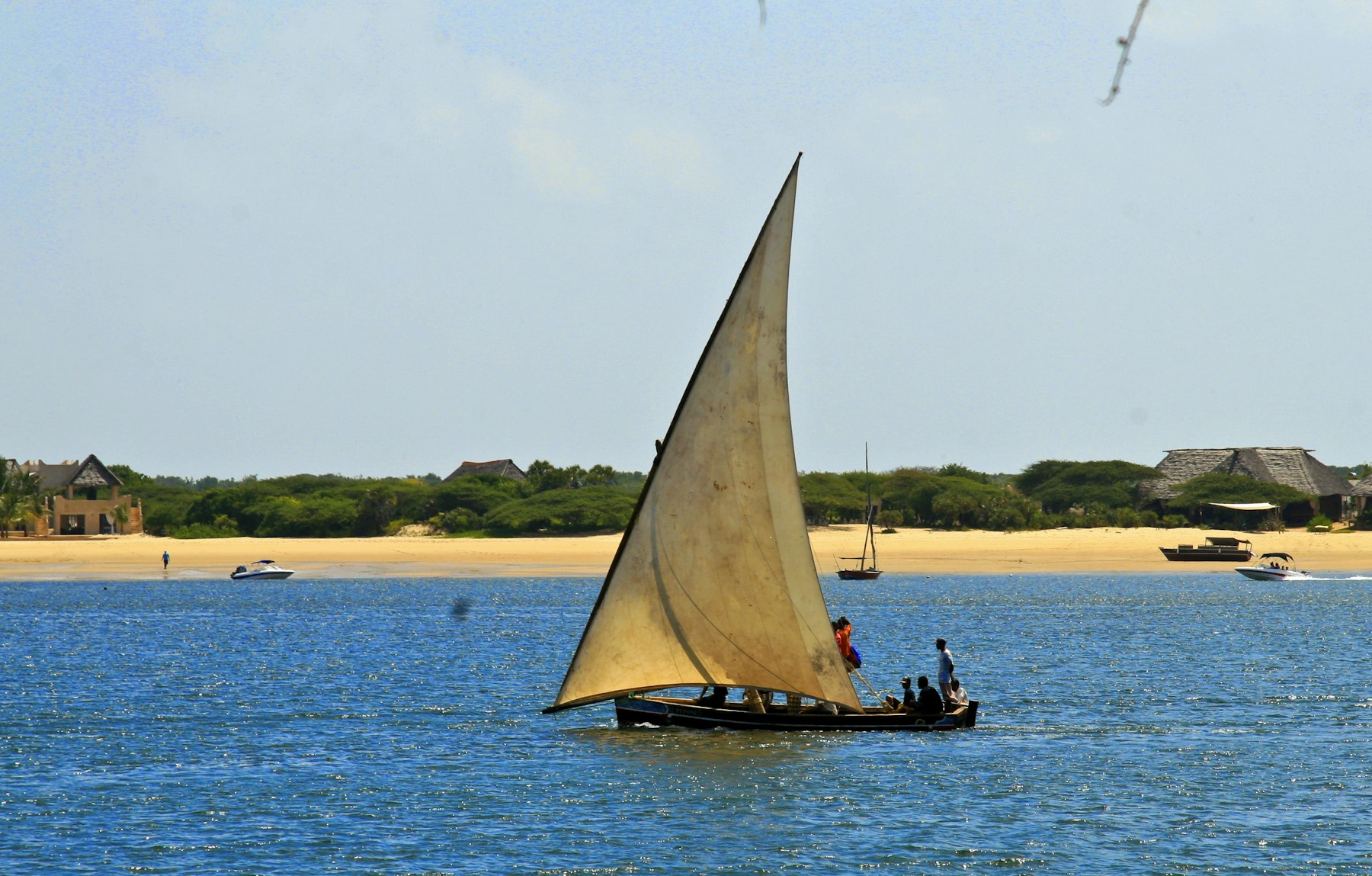
This route should not be sold as an “Arab” story alone. The coast is distinctly Swahili, shaped over centuries by African communities and by exchange with Arabia, Persia, India and Europe. UNESCO describes Lamu as the oldest and best-preserved Swahili settlement in East Africa, while Stone Town in Zanzibar preserves the architecture of a trading culture formed from African, Arab, Indian and European influences.
The route I would use
Days 1–3 — Lamu, Kenya
Begin where the pace is slow enough to understand the route. Lamu is still lived-in rather than reconstructed: coral-stone houses, narrow lanes, carved doors, dhows and a waterfront that makes much more sense when approached from the sea. Spend one day in Lamu Old Town and one on the water around the archipelago.
Check Peponi Hotel on Expedia ↗
Aviation: Manda/Lamu (LAU) has a 1,930 m asphalt runway, but scheduled operations are domestic. For a clean international movement I would normally plan LAU → Mombasa (MBA) by turboprop/light aircraft in roughly 45–55 minutes, clear the required formalities there, then continue south.
Day 4 — Mombasa as a cultural stop, not necessarily an overnight
Mombasa belongs historically in the route, but for a high-end itinerary I would usually use it as a focused day stop rather than force a hotel night. Visit Fort Jesus and the Old Town with a private historian or curator-level guide, then continue south.
Aviation: MBA → Zanzibar (ZNZ) is only about 130 nm; allow roughly 45–55 minutes in a suitable light aircraft or turboprop. MBA’s main runway is 3,350 m, while ZNZ’s is about 3,007 m, so the limitation on this section is not runway length but permits, handling and international procedures.
Days 4–7 — Zanzibar, Tanzania
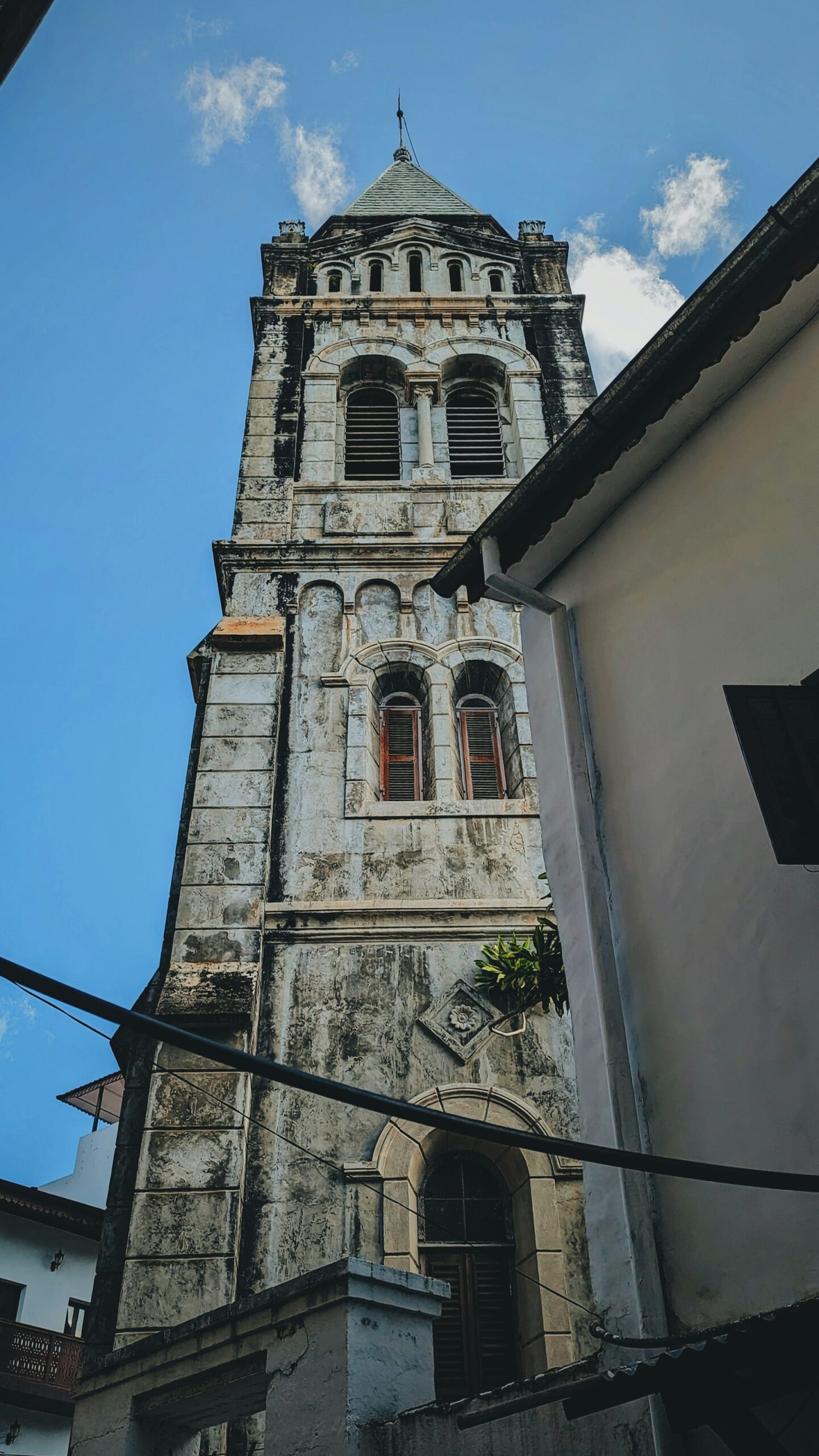
Stone Town is the architectural centrepiece of the journey. The old city shows the fusion of Swahili, Arab, Indian and European traditions in its street plan, coral-stone buildings and carved doors. Give it at least one full day, then use the second for a private dhow, spice estate or coast.
Check Park Hyatt Zanzibar on Expedia ↗
Aviation: Zanzibar (ZNZ) → Nampula (APL) is about 530 nm. A light jet or fast turboprop is typically around 1½–1¾ hours block time, subject to routing and permits.
Days 8–10 — Ilha de Moçambique
This is where the route becomes much less conventional. Ilha de Moçambique was a critical Indian Ocean port and carries a different layer of Portuguese influence over the older Swahili trading world. The reward is historical continuity without the scale of Zanzibar tourism.
Check Feitoria Boutique Hotel on Expedia ↗
Aviation: Use Nampula (APL) as the dependable jet gateway; its main asphalt runway is about 2,000 m. From APL continue by private road transfer or, where arranged and permitted, helicopter to Ilha de Moçambique. I would not build the itinerary around assuming the smaller Lumbo field is suitable for the charter aircraft.
Optional Days 11–13 — Quirimbas or northern Mozambique coast
If the trip is 12–14 days, finish with two or three nights somewhere quiet on the northern Mozambican coast. After four historic ports, the final stop should be about sea, privacy and rest rather than another museum.
Why private aviation is particularly useful here
The historic ports are geographically logical but commercially awkward to connect. Lamu, Zanzibar and northern Mozambique all have airports or airstrips, but scheduled routings often push travellers back through Nairobi, Dar es Salaam or other hubs. A private aircraft lets the itinerary follow the coastline itself.
Flight plan at a glance
| Sector | Practical routing | Indicative block time |
|---|---|---|
| Lamu → Mombasa | LAU → MBA · turboprop/light aircraft | ~45–55 min |
| Mombasa → Zanzibar | MBA → ZNZ · light aircraft/turboprop | ~45–55 min |
| Zanzibar → northern Mozambique | ZNZ → APL · light jet/fast turboprop | ~1½–1¾ hr |
| Nampula → Ilha de Moçambique | Private road or arranged helicopter transfer | ~2½–3 hr road; helicopter varies |
These are planning ranges, not scheduled times or charter quotes. International procedures, ATC routing, aircraft performance and transfer permissions can change the movement.
An optional Arabian prologue
For a client who wants the full Indian Ocean context, add two nights in Muscat before Lamu. That takes the journey beyond Africa, but it makes the historical connection between Arabia and the Swahili coast much more tangible. I would treat it as an optional prologue, not part of the core Africa itinerary.
Who this route is for
Travellers who value architecture, history, food and maritime culture more than conventional safari. It is especially strong for repeat Africa visitors who already know the headline wildlife destinations and want a route with a coherent historical narrative.
Related planning
Historical framing is simplified for itinerary design. Final routing depends on permits, customs/immigration capability, runway suitability, operating hours and aircraft availability.